

Knife Cockfighting captures attention through precision, speed, disciplined preparation showcased inside traditional arenas. The spectacle emphasizes timing, movement control, equipment balance, decision-making under pressure rather than raw force. Viewers follow subtle shifts in posture, strike angles, momentum changes that decide outcomes within moments. Modern broadcasts add clarity through multiple angles, real-time data, structured presentation. With regulated access, transparent information, secure systems, audiences can observe confidently. Platforms like TAYA777 provide reliable streaming, organized interfaces, professional coverage connecting heritage with contemporary digital viewing.
What is Knife Cockfighting?
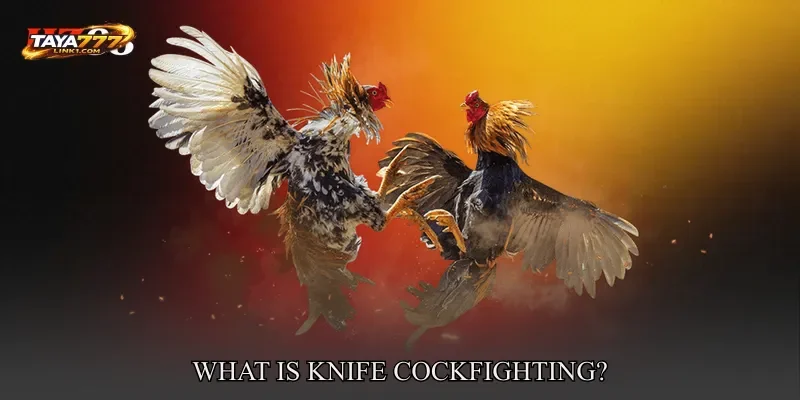
Knife cockfighting is a traditional form of cockfighting where roosters are armed with blades or knives tied to their legs to increase the intensity of the fight. Unlike conventional cockfights, where roosters fight with their natural talons, cockfighting introduces an added element of danger and excitement. The knives or blades, often made of steel or sharp metal, are designed to cause more immediate damage, making the fight more dramatic and fast-paced.
The origins of cockfighting date back centuries, with evidence of its practice found in various cultures around the world. It is believed to have been particularly popular in Southeast Asia and Latin America, where it became not only a sport but also a part of the cultural heritage. In many communities, cockfighting is deeply intertwined with social and religious rituals, often seen as a symbol of strength, honor, and pride. Despite the controversy surrounding the practice, knife cockfighting remains an integral aspect of these traditions.
While traditional cockfighting relies on the natural instincts and fighting ability of roosters, cockfighting introduces artificial elements that heighten the intensity and stakes of the battle. The key difference lies in the addition of weapons—knives attached to the roosters’ legs. These blades are sharp enough to inflict serious damage, meaning the battles are usually over quickly, unlike traditional cockfights where the roosters fight for a longer period.
Rules and Regulations of Knife Cockfighting
Understanding the rules and regulations surrounding knife cockfighting is crucial for both participants and spectators. Although the practice is banned in many countries, there are places where it is still allowed and regulated. These regulations are designed to ensure that the sport remains as safe as possible for both the animals and humans involved. Let’s break down the common rules and guidelines of cockfighting.
The General Rules
Each cockfight follows a specific set of rules, although these can vary depending on the region. Generally, the fights take place in a circular ring, with the roosters equipped with specially designed knives attached to their legs. The knives are strapped to the birds using strong, flexible cords that ensure they stay in place during the fight. The fight continues until one rooster is unable to continue due to injury, death, or surrender. The referee plays a critical role in judging the fight and ensuring fair play, often intervening if one of the roosters becomes too injured to continue.
Regional Differences in Regulations
The rules governing cockfighting differ across countries and even within different regions of a single country. In places where it is legal, there are often strict laws governing the size of the knives, the type of birds used, and even the minimum age of the participants. For example, in some regions of Southeast Asia, cockfighting is heavily regulated to prevent cruelty to animals, and strict limits are imposed on how long a fight can last. In contrast, in certain countries where cockfighting is illegal, the practice still continues underground, with no rules to ensure the safety of the birds or participants.
The Role of Referees and Judging Criteria
In knife cockfighting, the referee is tasked with ensuring that the fight is conducted fairly and within the established rules. Referees are often experienced professionals who understand the behavior of roosters and can accurately assess whether a rooster has been fatally wounded or is simply injured. The referee can call an end to the match at any time if they believe that one of the birds is no longer able to fight effectively. The judge’s decision is final, and both participants must adhere to it without protest.
Techniques Used In Knife Cockfighting
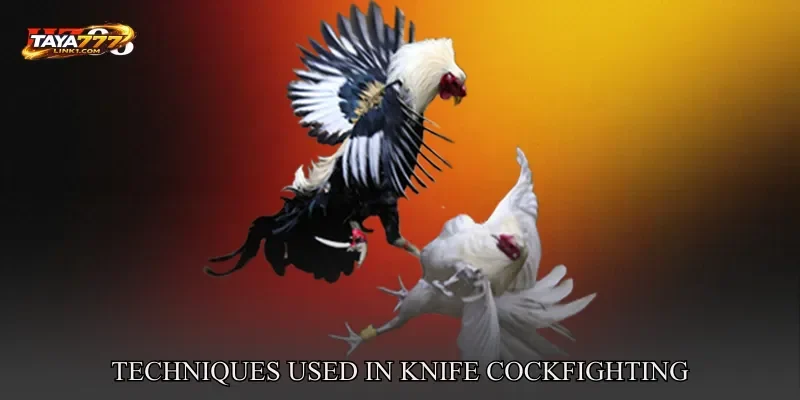
Knife Cockfighting relies on refined movement, timing control, tactical awareness rather than raw force alone. Outcomes often depend on how effectively a rooster applies learned patterns during intense exchanges. Cockfighting traditions emphasize preparation quality, blade balance, behavioral conditioning, arena awareness shaped through long-term practice.
Core Combat Strategies Of Roosters
Effective roosters display rapid footwork, sharp reaction speed, constant repositioning. Their approach focuses on creating openings while minimizing exposure. Different behavioral styles emerge based on breeding line, conditioning focus, handler philosophy.
| Tactical Focus | Description |
| Speed bursts | Sudden forward strikes followed by quick withdrawal |
| Angle control | Side movement reducing direct blade contact |
| Target preference | Legs, wings, neck depending on training style |
| Pressure pacing | Short engagements preserving stamina |
Precision matters more than volume. A single well-placed strike often defines the result. Observers frequently note posture shifts, balance stability, strike timing as early indicators of dominance.
Knife Attachment Methods Explained
Blade attachment remains a critical preparation phase influencing mobility, control, safety consistency. Knife length usually ranges from one to three inches, depending on event standards. Secure placement ensures stability without restricting natural leg motion.
| Attachment Element | Purpose |
| Blade alignment | Maintains strike accuracy |
| Strap tension | Prevents slippage during motion |
| Weight balance | Preserves agility, foot speed |
| Material choice | Leather straps, flexible bands |
Proper attachment supports effective movement while avoiding imbalance. Poor alignment often reduces effectiveness, increases vulnerability during exchanges.
Training Roosters For Blade Adaptation
Knife Cockfighting preparation extends beyond physical strength. Conditioning programs emphasize reflex development, muscle endurance, sensory adjustment. Roosters gradually adapt to blade presence, weight sensation, altered leg dynamics through repeated controlled exposure.
Training schedules typically include agility drills, balance exercises, controlled sparring. Handlers monitor response behavior, stress tolerance, strike consistency. Mental conditioning plays a role as well, shaping aggression control, focus retention under pressure.
Conclusion
Knife Cockfighting stands out through disciplined preparation, rapid exchanges, precise movement that reward observation plus informed decisions. Those seeking authentic action with modern presentation can now access structured broadcasts, clear rules, transparent information in regulated environments. Take the next step today, explore live events, follow match dynamics, experience the intensity firsthand. Join confidently through TAYA777, where professional coverage, secure systems, reliable access bring tradition into a focused digital setting built for engaged audiences.
 PHTAYA Promotions Guide for New and Existing Players
  PHTAYA Slot Game Volatility Guide for Philippine Casino Players
  BETBDT Login – Secure Access to Online Betting and Casino Entertainment
  OK8 Pesca: O Destino Definitivo para Pescadores de Alta Performance no Brasil
  SN88 Pesca, Diversão e Ação nos Jogos Fish Hunter Online